
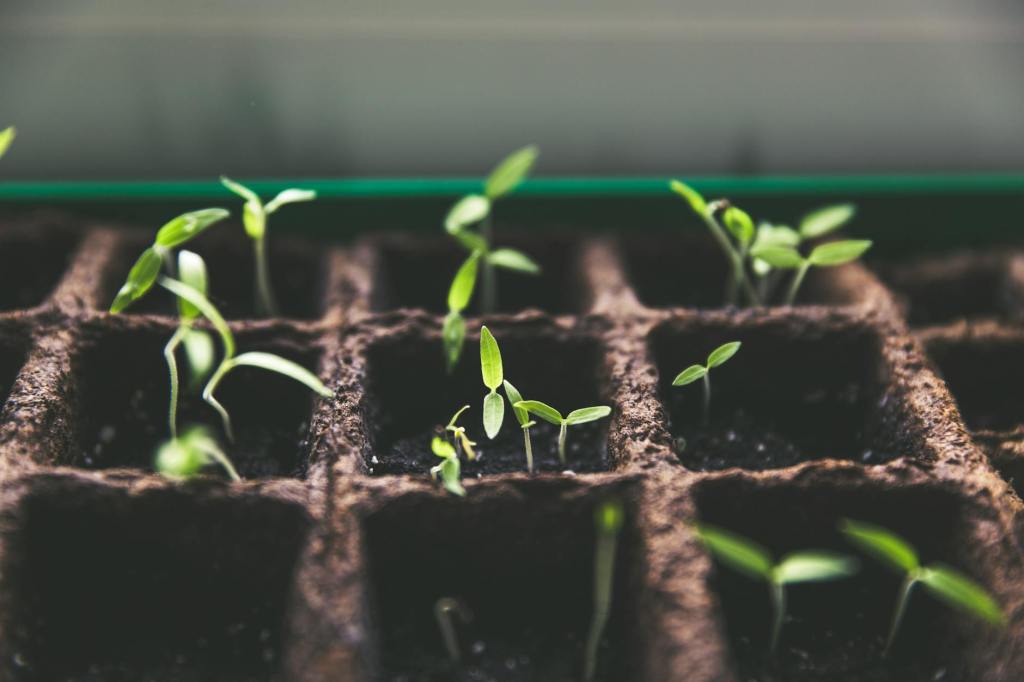
There is something quietly hopeful about the idea of a garden.
It begins not with abundance, but with intention—with a small patch of soil, a handful of seeds, and the belief that life can grow where you tend it. If you’ve ever stood in your backyard wondering where do I even begin?, you’re not alone. Learning how to start a backyard garden doesn’t require perfection, experience, or even much space—only a willingness to begin.
This guide is written for real people, real families, and real homes. Whether you’ve never planted a thing or feel unsure where to start, this is gardening for beginners—slow, simple, and life-giving.
Why a Backyard Garden Is Worth Beginning
A backyard vegetable garden offers more than fresh food. It brings rhythm to your days, draws children outdoors, and reconnects your home to the seasons. In a world that feels rushed and disconnected, gardening invites us to slow down and participate in the quiet work of growth.
And the best part? You don’t need acres of land or expensive tools. You can begin right where you are.
Step One: Start Where You Are (Not Where You Think You Should Be)
One of the most important beginner gardening tips is this: start small.
A common mistake for new gardeners is trying to do too much too quickly. Instead of planting everything you’ve ever wanted to grow, choose just a few vegetables you know your family will eat. A handful of well-tended plants will bring far more joy than an overwhelming garden that feels like a burden.
Ask yourself:
- How much time can I realistically give this each week?
- Do I want a few pots, a raised bed, or a small plot in the yard?
- What vegetables do we already enjoy eating?
Your garden should fit your life—not compete with it.
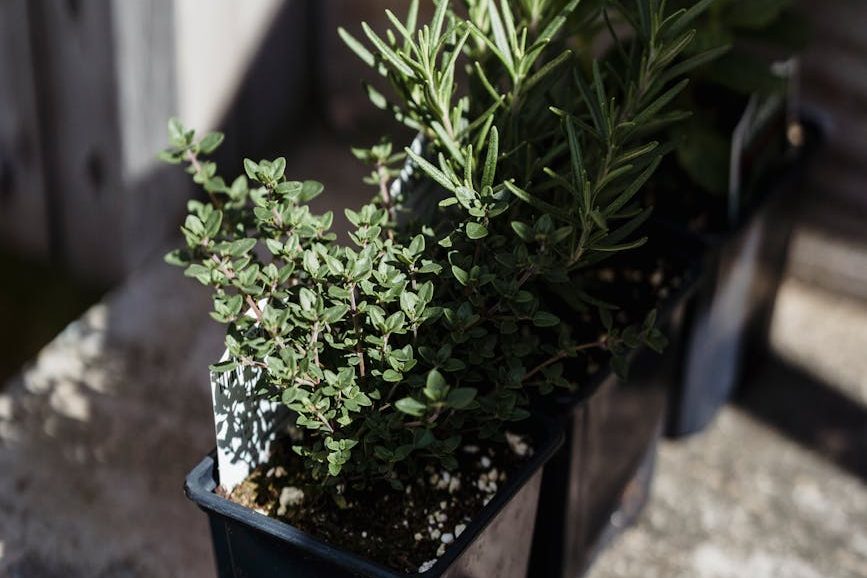
Step Two: Choose the Right Location
Sunlight is the garden’s greatest teacher. Most vegetables need 6–8 hours of sunlight each day. Spend a few days observing your yard to see where the sun falls longest.
Look for:
- A spot that gets steady morning or afternoon sun
- Good drainage (avoid low areas where water pools)
- Easy access to water
If you don’t have a large yard, don’t be discouraged. Gardening for beginners often begins in containers, on patios, or along fences—and those gardens can be just as fruitful.
Step Three: Prepare the Soil
Healthy gardens begin with healthy soil. You don’t need to understand everything about soil science—just remember this: soil should be loose, dark, and alive.
To prepare your garden:
- Remove grass or weeds from your chosen area
- Loosen the soil with a shovel or garden fork
- Mix in compost if possible (store-bought is perfectly fine)
Think of soil as a living thing you are partnering with, not something you must control.

Step Four: Choose Beginner-Friendly Vegetables
When learning how to start a backyard garden, success builds confidence. Choose vegetables that are forgiving and eager to grow.
Great choices for a beginner garden include:
- Lettuce
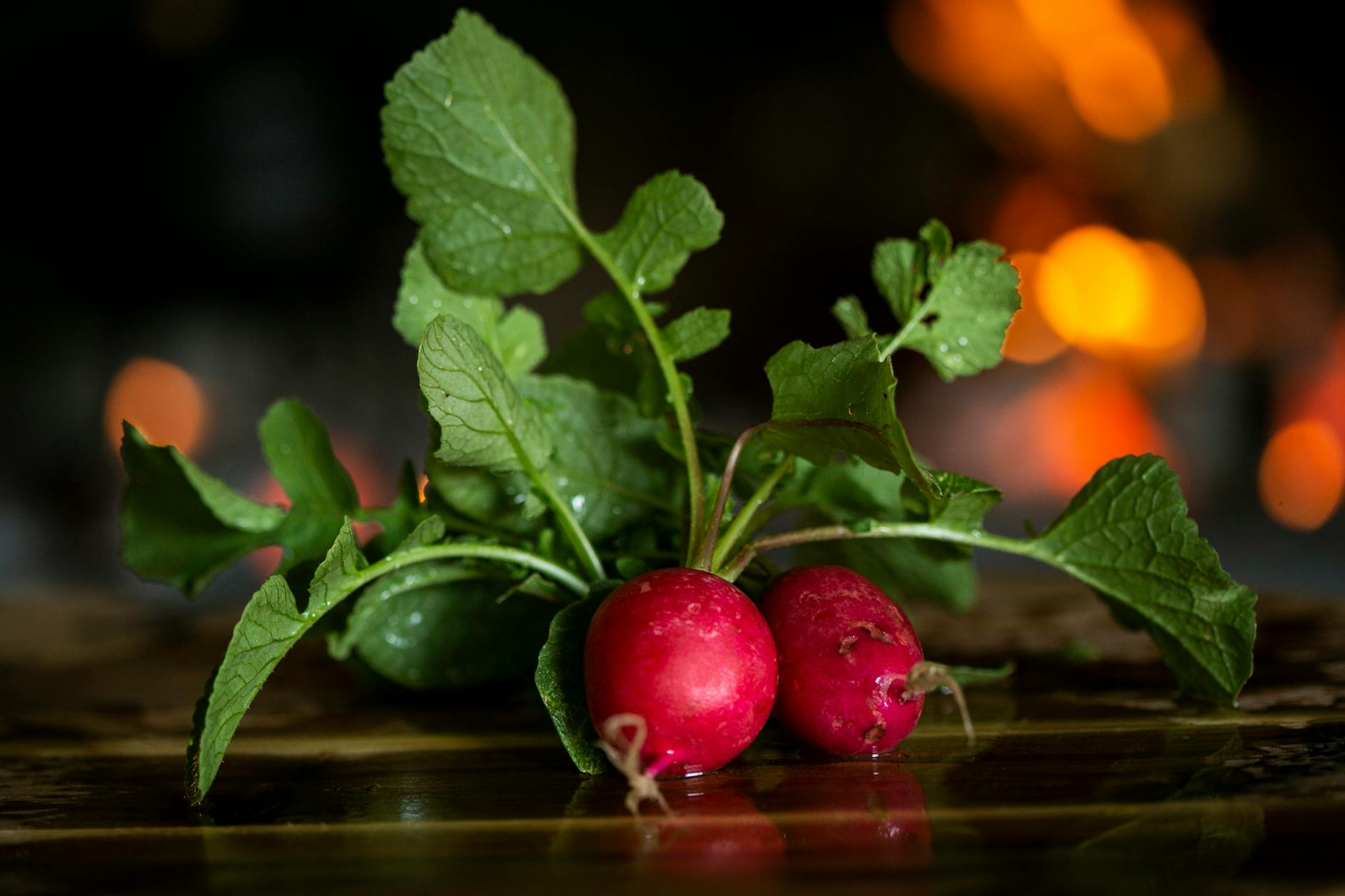
- Radishes
- Zucchini
- Green beans
- Tomatoes
- Herbs like basil or parsley
These plants grow quickly, don’t require advanced skills, and offer visible rewards—perfect encouragement for new gardeners.
Step Five: Plant Simply and Water Faithfully
Follow the planting instructions on your seed packets or plant tags, paying attention to spacing and depth. Resist the urge to crowd plants together—each one needs room to grow.
Water regularly, especially in the early weeks. Most gardens thrive with deep, consistent watering rather than frequent shallow watering. Let the soil teach you when it’s thirsty.
Step Six: Learn as You Go (This Is Part of the Beauty)
No garden is perfect. Plants will struggle. Some things won’t grow. And that’s okay.
Gardening for beginners is as much about observation as it is about action. Notice what works. Take mental notes. Let each season teach you something new.
This is slow knowledge—the kind that settles into your hands and heart over time.
A Garden Grows More Than Food
When you start a backyard garden, you are planting more than vegetables. You are cultivating patience, attentiveness, and hope. You are teaching your children that good things take time. You are reminding yourself that growth happens quietly, often unseen.
Begin small. Begin gently. And trust that what you nurture today will bless your home in ways you cannot yet see.
Want to grow from here?
In future posts, we’ll talk about:
- What to plant each season
- Gardening on a budget
- Simple ways to preserve the harvest
- Creating a garden rhythm that fits family life
For now, let this be enough. 🌱
how to start a backyard garden, beginner gardening tips, backyard vegetable garden, gardening for beginners







 Homegrown Revival
Leave a comment