
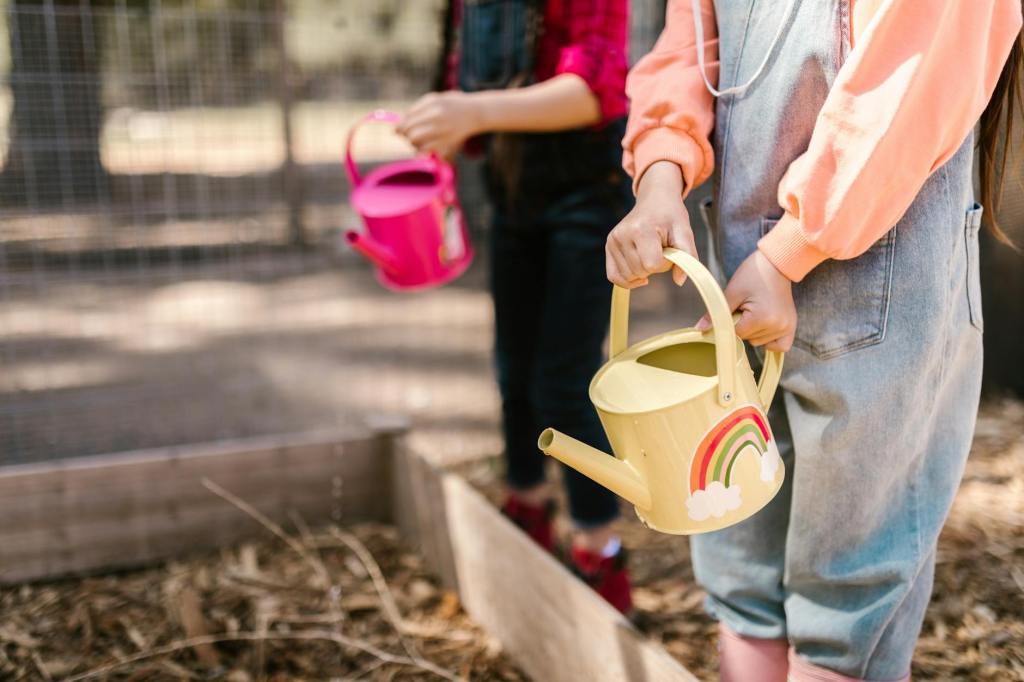
There is a misconception that homesteading requires wide-open land, weathered barns, and a life far removed from the world most of us inhabit.
But homesteading has never truly been about acreage. It has always been about intention—about choosing to cultivate provision, stewardship, and care right where you are. For those wondering if this life is possible in a neighborhood, a rental, or a modest backyard, this is homesteading for beginners, reimagined gently and realistically.
You don’t need to move away to begin. You simply need to begin where you are.
Redefining What Homesteading Really Means
At its heart, modern homesteading is not about doing everything or doing it perfectly. It is about learning skills that bring your home closer to self-sufficiency, even in small ways.
For some, homesteading looks like:
- Growing herbs on a windowsill
- Baking bread each week
- Learning to mend instead of replace
- Choosing to make rather than buy
These are not small things. They are the building blocks of a slower, more rooted life.
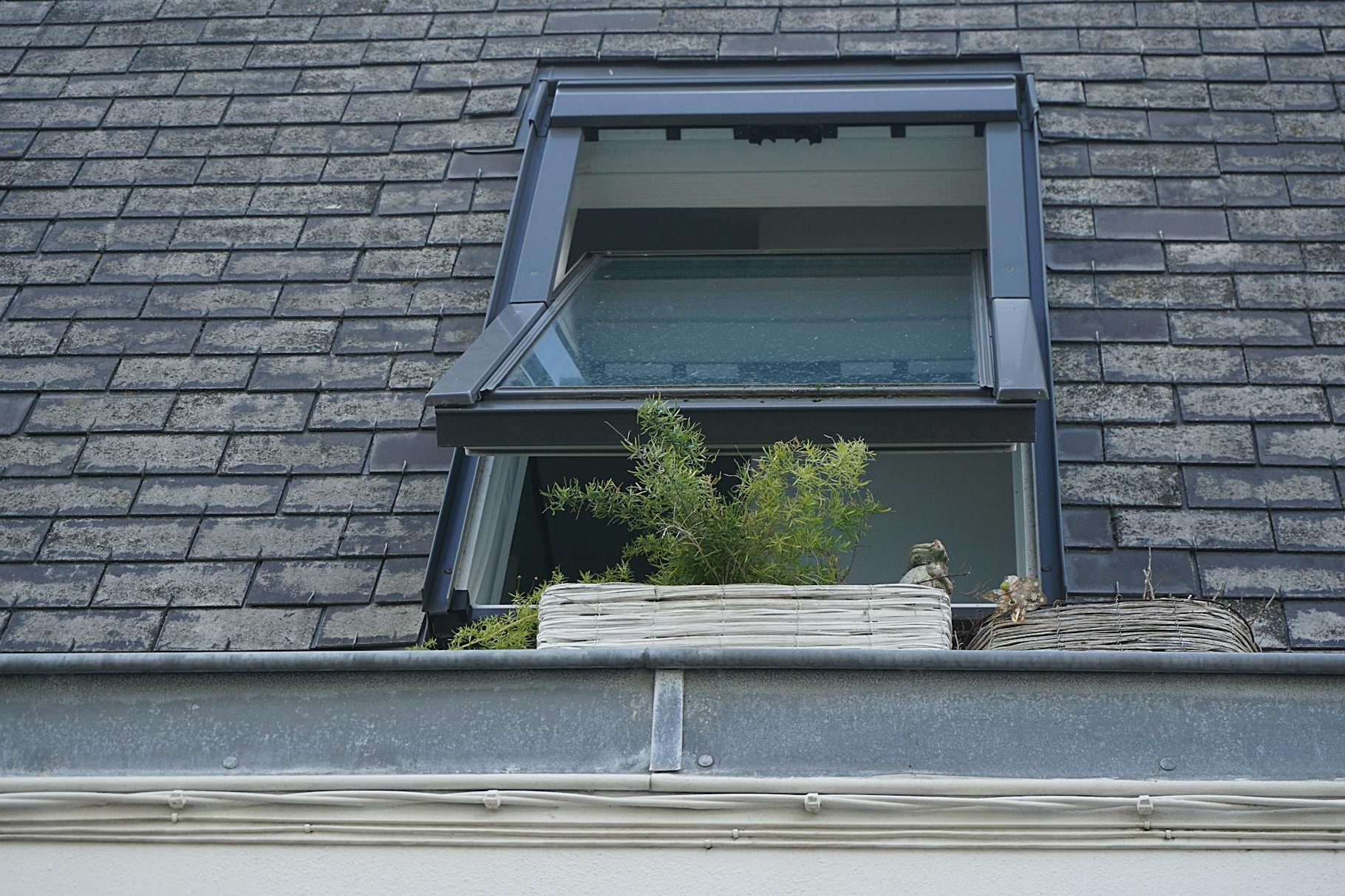
Homesteading for Beginners Starts with One Skill
One of the most common mistakes beginners make is trying to do too much at once. The most sustainable homesteads—large or small—are built slowly.
Choose one skill to begin with:
- Growing food
- Preserving food
- Cooking from scratch
- Keeping a small animal
- Learning basic home maintenance
Mastering one skill brings confidence, rhythm, and momentum. From there, the life begins to expand naturally.
Small Homestead Ideas That Work Anywhere
You don’t need land to live a homesteading life. Many small homestead ideas thrive in apartments, townhomes, and suburban neighborhoods.
Consider beginning with:
- Container gardening for herbs and vegetables
- Composting kitchen scraps
- Making homemade pantry staples
- Keeping a small flock of chickens where permitted
- Drying herbs or preserving seasonal produce
Each small choice adds up, creating a home that functions with greater intention and care.

Urban Homesteading: Rooted Living in the Middle of It All
Urban homesteading invites us to live differently without leaving our communities. It’s about working with limitations rather than against them.
Urban homesteaders often:
- Grow food vertically or in containers
- Share tools and resources with neighbors
- Shop locally and seasonally
- Use community gardens
- Preserve food in small batches
Homesteading in the city teaches adaptability—a skill every generation needs.
Modern Homesteading Is a Lifestyle, Not a Location
Today’s homestead may include online work, public school or homeschooling, modern appliances, and full schedules. Modern homesteading embraces the tools of today while holding onto the wisdom of yesterday.
It looks like:
- Using technology to learn traditional skills
- Blending convenience with intentionality
- Choosing what matters most for your family
- Letting go of comparison
Your homestead should serve your family’s life—not become another pressure to perform.
Creating a Homestead Rhythm That Fits Your Life
Homesteading for beginners works best when it is woven gently into everyday life.
Start by asking:
- What do we already do at home?
- What feels life-giving rather than draining?
- What can we realistically sustain long-term?
A homestead grows through faithful small acts—weekly bread baking, evening garden walks, seasonal projects—not through exhaustion.

The Heart of Homesteading
Homesteading is ultimately an act of hope. It is choosing to invest in what is lasting, to care for what is entrusted to you, and to believe that small, faithful work matters.
Whether your home sits on acres of land or a quiet city street, the invitation is the same: tend what you’ve been given.
Begin where you are. Grow what you can. Let life take shape slowly.
Coming next in this series:
- Homestead skills every family can learn
- Homesteading on a budget
- What to grow and raise first
- Building a family culture around simple living
homesteading for beginners, small homestead ideas, urban homesteading, modern homesteading






 Homegrown Revival
Leave a comment