
There is often a quiet stirring before a family begins homeschooling.
It may come through a growing unease, a longing for more time together, or a sense that learning could be shaped more intentionally at home. If you find yourself wondering how to start homeschooling, know this: the very questions you are asking are part of the preparation.
Homeschooling does not begin with a perfect plan. It begins with courage, clarity, and a willingness to learn alongside your children.
Homeschooling for Beginners: Start with the Why
Before choosing curriculum or setting schedules, pause to consider why you are drawn to homeschooling. Your reason will become an anchor in uncertain seasons.
Common reasons families choose homeschooling include:
- A desire for a slower, more relational childhood
- The ability to tailor learning to a child’s needs
- Greater freedom in family life and scheduling
- Faith-based or values-centered education
- A longing for deeper connection and presence
There is no single right reason—only the one that matters to your family.
Understanding Homeschool Laws (Without Fear)
One of the first practical steps in learning how to start homeschooling is understanding your state’s homeschool laws. This can feel intimidating at first, but it is often simpler than expected.
Homeschool laws vary by state and typically involve:
- Notifying the school district
- Keeping basic attendance or learning records
- Meeting minimum subject requirements
- Occasionally submitting evaluations or assessments
Take time to read your state’s guidelines from official sources or trusted homeschool organizations. Once you understand the expectations, much of the fear dissolves.
Homeschooling Basics: What You Actually Need
Homeschooling for beginners often feels overwhelming because of everything it seems to require. In reality, the basics are beautifully simple.
At its core, homeschooling requires:
- A child
- A parent willing to guide
- Time set aside for learning
- A few reliable resources
You do not need a dedicated schoolroom, expensive curriculum, or elaborate schedule. Many successful homeschool days happen at the kitchen table or on the couch with a good book.
Choosing Curriculum with Confidence
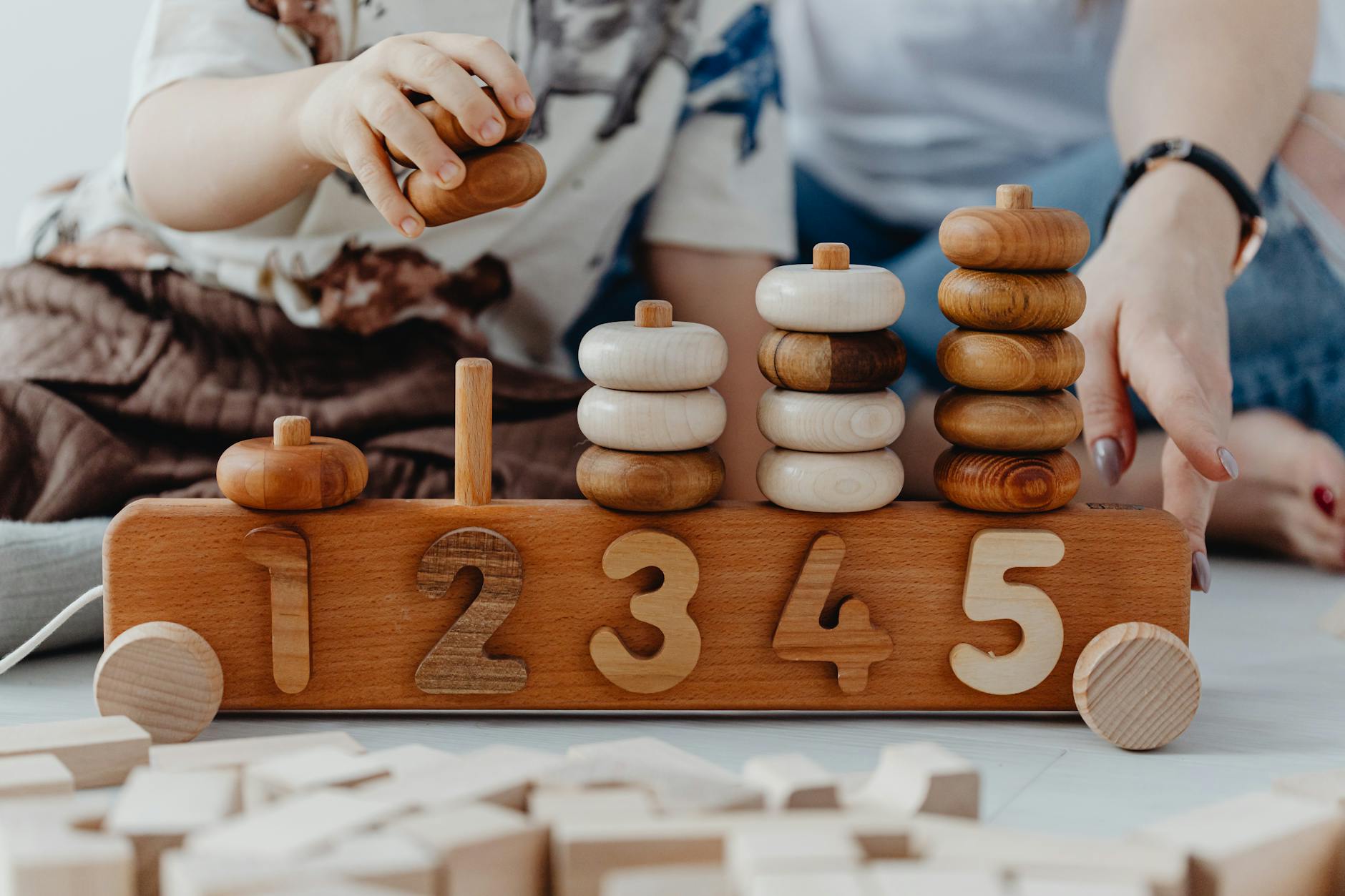
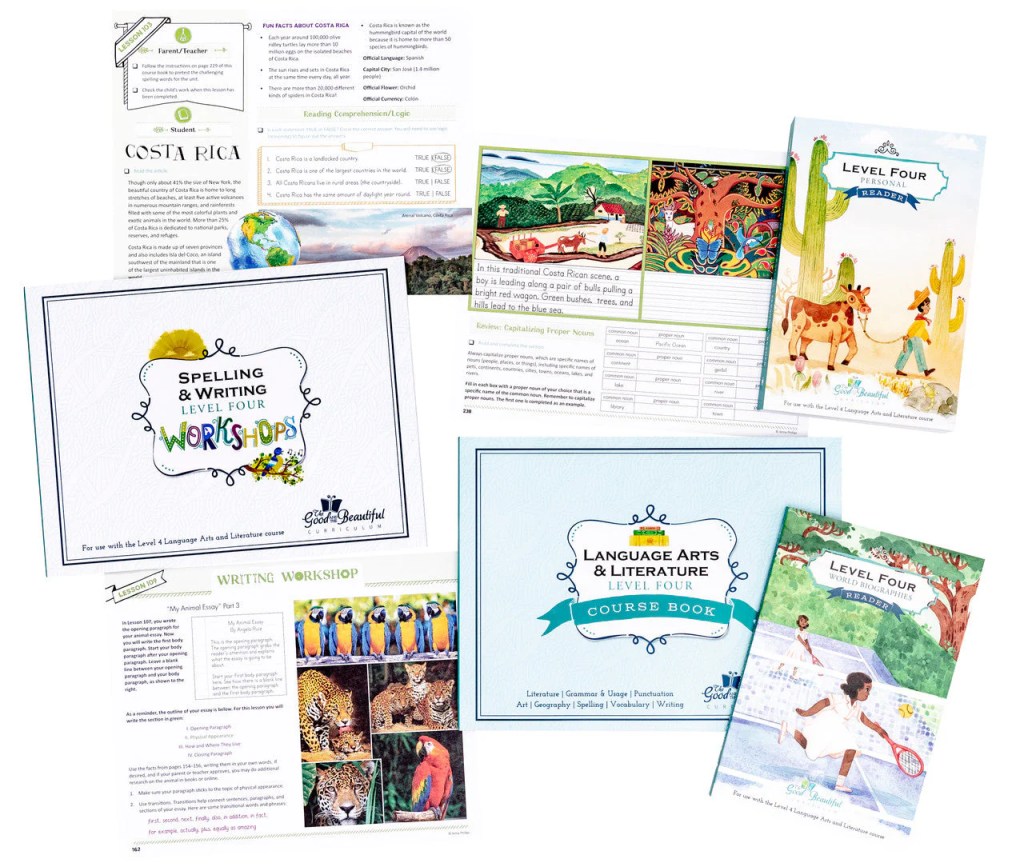
Curriculum can support your homeschool—but it does not define it.
When choosing resources:
- Consider your child’s learning style
- Look for flexibility rather than rigidity
- Choose materials that align with your values
- Start with fewer subjects than you think you need
Remember, curriculum is a tool, not a master. You are free to adjust, replace, or set aside anything that no longer serves your family.
Creating a Gentle Daily Rhythm
Rather than striving for a rigid schedule, many families find peace in creating a daily rhythm.
A homeschool rhythm might include:
- Morning reading or devotional time
- Focused learning blocks
- Outdoor play or nature walks
- Afternoon creative time
- Read-alouds at the end of the day
This approach allows learning to breathe while still offering structure—a gift to both parent and child.
Trusting the Process (Especially on Hard Days)
Every homeschool family experiences doubt. There will be days when lessons fall apart, patience runs thin, or progress feels invisible.
On those days, return to the heart of homeschooling:
- Relationship matters more than checklists
- Learning happens in many forms
- Growth is not always immediate or measurable
Homeschooling is a long journey, shaped over years, not weeks.
Beginning with Peace
As you consider how to start homeschooling, release the pressure to get everything right from the beginning. You are allowed to learn, to adjust, and to grow into this calling slowly.
Homeschooling for beginners is not about replicating school at home—it is about creating an education that fits the life you are building together.
Begin with peace. Let confidence follow in time.
In future homeschool posts, we’ll explore:
- Creating homeschool schedules that actually work
- Homeschooling on a budget
- Building a peaceful learning environment
- What I wish I had known before we began
how to start homeschooling, homeschooling for beginners, homeschool laws, homeschooling basics






 Homegrown Revival
Leave a comment