
When grocery costs feel overwhelming, it’s tempting to search for dramatic solutions—cutting entire food groups, chasing endless sales, or constantly trying new systems that never quite stick.
But most well-run, frugal kitchens are sustained by something much simpler.
They are shaped by quiet habits practiced faithfully over time.
Learning how to save money on groceries doesn’t require perfection or restriction. It requires intention—and a willingness to work with what you already have. The following four practices form the backbone of frugal grocery shopping and meal planning on a budget, and they can be adapted to any family, season, or home.
1. Use Frozen Vegetables and Proteins Without Apology
Frozen foods are often unfairly dismissed, but they are one of the most reliable tools in budget homemaking.
Frozen vegetables and proteins:
- Are usually less expensive than fresh
- Reduce food waste
- Are already cleaned and prepped
- Can be used only as needed
Frozen vegetables are often processed at peak ripeness, making them both nutritious and practical. They allow you to cook balanced meals even when fresh produce is limited or costly.
Helpful ways to use frozen foods:
- Add frozen vegetables directly to soups, casseroles, and stir-fries
- Keep frozen chicken, ground meat, or fish on hand for flexible meals
- Use frozen fruit for baking, smoothies, or oatmeal
A freezer stocked with simple staples offers peace of mind—and protects your grocery budget from last-minute spending.

2. Plan Meals Around Pantry Staples
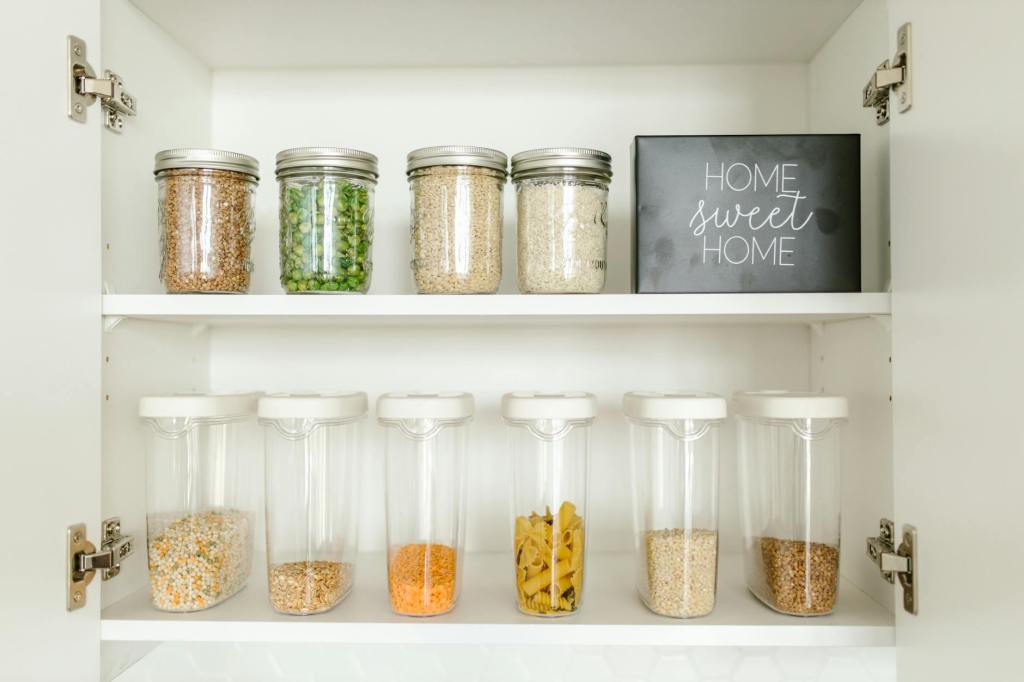
One of the most effective grocery budget tips is to stop planning meals around recipes and start planning them around ingredients.
Before writing your meal plan, look at what you already have:
- Rice, pasta, or grains
- Beans and lentils
- Canned tomatoes or broth
- Frozen vegetables
- Oils, spices, and baking basics
When you plan meals around pantry staples, grocery shopping becomes about filling small gaps rather than starting from scratch each week.
This approach:
- Reduces impulse buying
- Makes meals more flexible
- Encourages creativity
- Builds confidence in the kitchen
A well-used pantry is one of the strongest foundations of frugal grocery shopping.
3. Repurpose Leftovers Intentionally
Leftovers are not a problem to solve—they are a resource to steward.
Intentional leftover planning means cooking with the next meal in mind. Instead of asking, What will we do with this?, ask How can this serve us again?
Simple ways to repurpose leftovers:
- Roast chicken becomes soup, sandwiches, or casseroles
- Cooked vegetables are added to omelets or pasta
- Rice turns into fried rice or grain bowls
- Beans become tacos, soups, or spreads
This practice stretches both time and money while reducing food waste—a quiet but powerful act of stewardship.

4. Rotate Meals Based on What Needs to Be Used
One of the most overlooked skills in meal planning on a budget is learning to rotate meals based on what needs attention first.
Instead of planning meals in isolation:
- Use perishables early in the week
- Save freezer meals for busier days
- Rotate meals to prevent food from expiring
- Keep a short list of “use-it-up” meals
This habit creates a natural flow in your kitchen and prevents last-minute waste or unnecessary grocery trips.
A flexible plan will always serve your home better than a rigid one.
The Rhythm of a Frugal Kitchen
Frugal grocery shopping is not about cutting corners—it is about paying attention.
A kitchen shaped by:
- Frozen staples
- A working pantry
- Thoughtful leftovers
- Gentle meal rotation
Becomes a place of calm provision rather than constant pressure.
These habits support a simple living homemaker not by demanding more effort, but by making daily life easier and more intentional.
Feeding Your Family with Wisdom and Peace
Learning how to save money on groceries is not a one-time achievement. It is a rhythm learned slowly, adjusted season by season, and practiced over time. Some weeks will be easier than others. What matters most is consistency, not perfection.
A frugal kitchen, lovingly tended, nourishes more than bodies—it nurtures peace.
how to save money on groceries, grocery budget tips, frugal grocery shopping, meal planning on a budget, budget meal planning, frugal kitchen tips, reduce grocery spending, feeding a family on a budget, simple living homemaker, budget homemaking, pantry based meal planning







 Homegrown Revival
Leave a comment