

One of the most common questions new gardeners ask is also one of the most important:
What should I plant—and when?
Gardening doesn’t have to be complicated, but timing matters. Plant too early and frost can undo your hard work. Plant too late and crops struggle to mature. A simple vegetable planting schedule, rooted in the seasons, brings clarity and confidence.
This guide offers a gentle, month-by-month overview of what to plant each month, designed for the average home gardener in temperate climates. (Local frost dates may vary, but this provides a reliable starting point.)
Understanding Your Planting Calendar
Before diving in, it helps to remember:
- Cool-season crops thrive in early spring and fall
- Warm-season crops need heat and consistent warmth
- Many vegetables can be succession-planted for longer harvests
Think of this not as a rigid rulebook, but as a seasonal gardening guide—one that works with nature instead of against it.
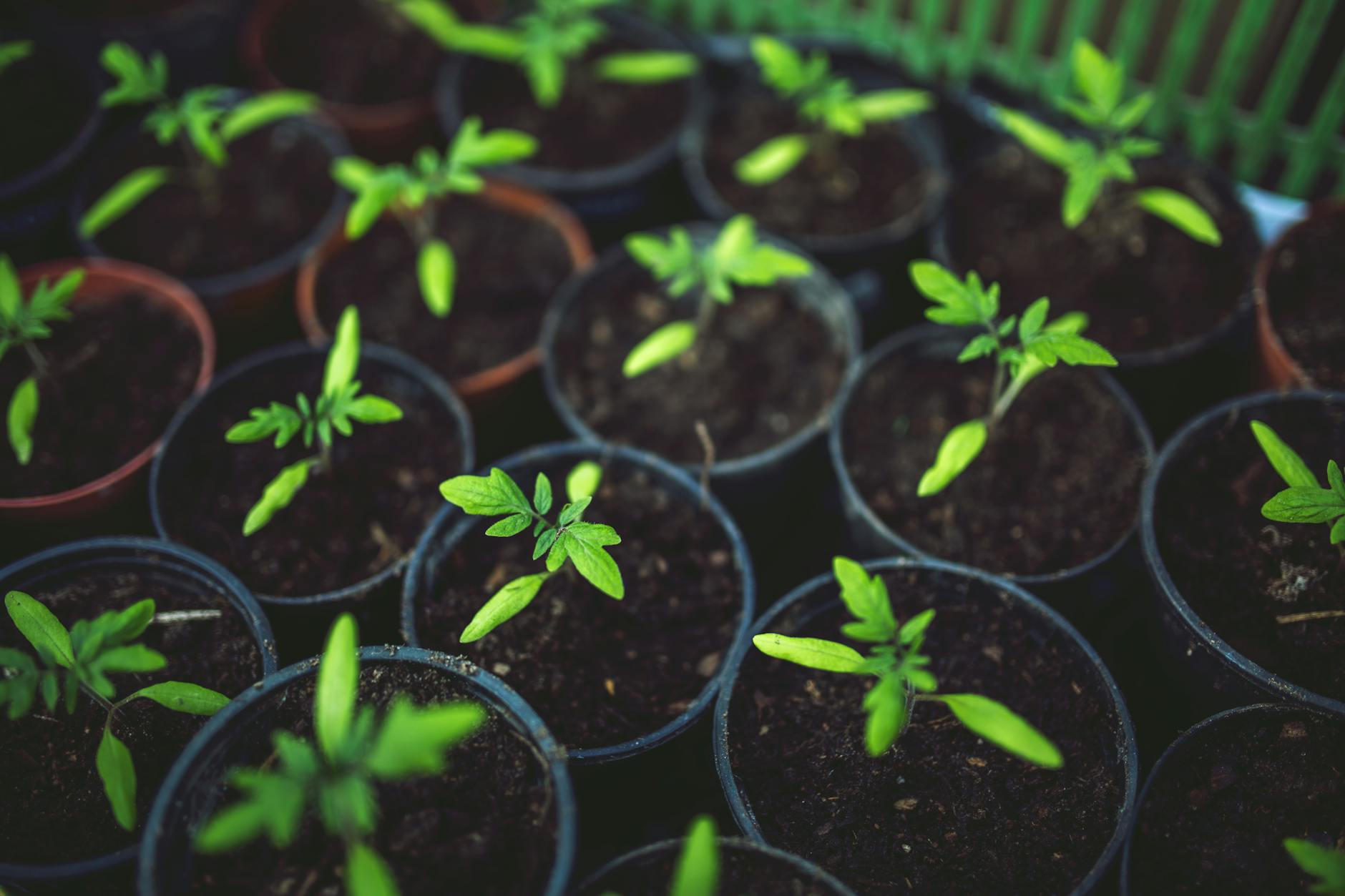
January & February: Quiet Preparation
In most regions, these are planning months rather than planting months.
What to do:
- Plan your garden layout
- Order seeds
- Start seeds indoors (late February in warmer zones)
Seeds to start indoors:
- Onions
- Leeks
- Celery
- Early tomatoes (warm climates)
- Peppers (they need a long growing season)
This is a gentle beginning—no rushing required.
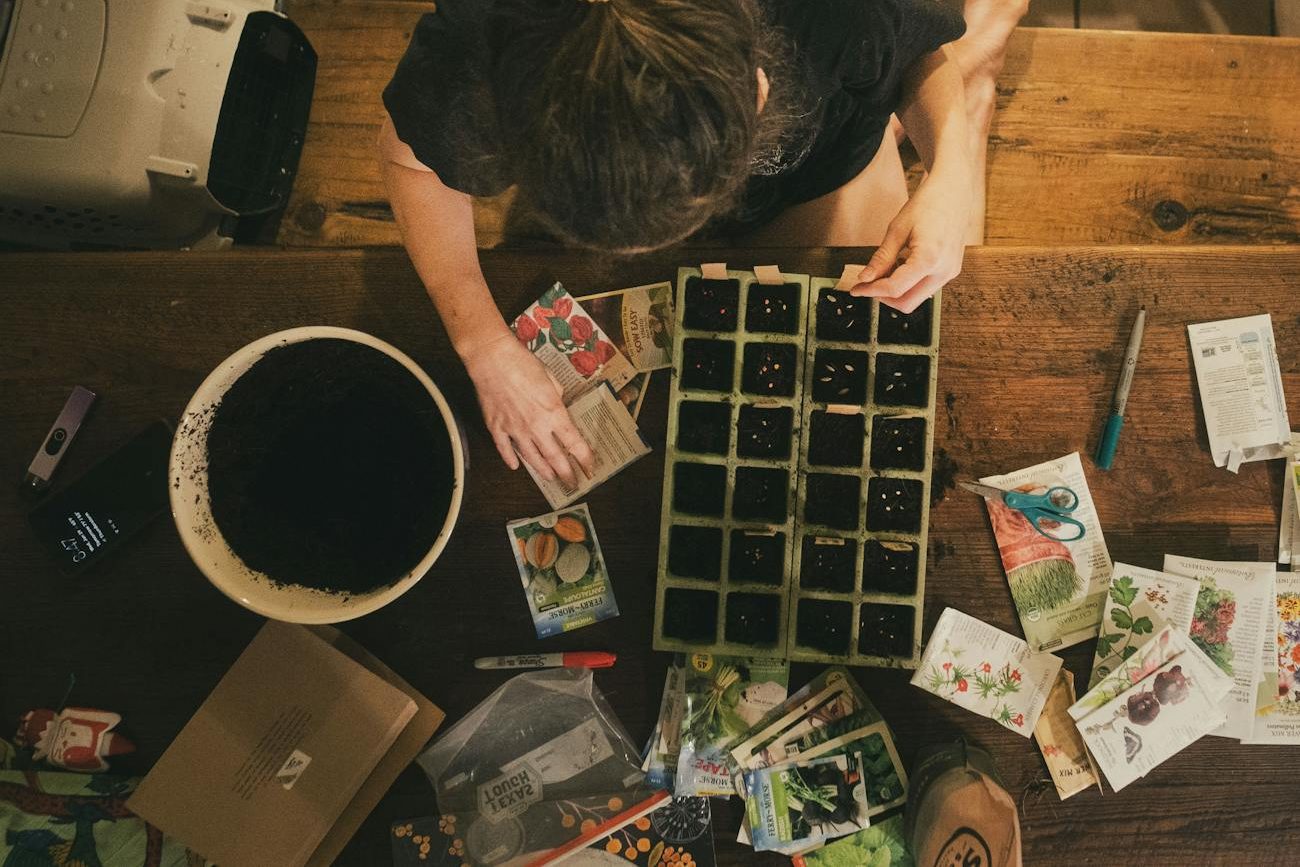
March: Early Spring Planting Begins
As soil becomes workable, cool-season crops can go directly into the garden.
What to plant:
- Peas
- Spinach
- Lettuce
- Kale
- Radishes
- Carrots
- Beets
These vegetables tolerate chilly nights and set the stage for the growing season.

April: Building Momentum
April is a key month in the planting calendar.
Direct sow:
- More lettuce and greens
- Turnips
- Swiss chard
- Cilantro
- Dill
Transplant (after hard frosts):
- Broccoli
- Cabbage
- Cauliflower
Garden beds begin to fill, but patience still matters—warm-weather crops must wait.
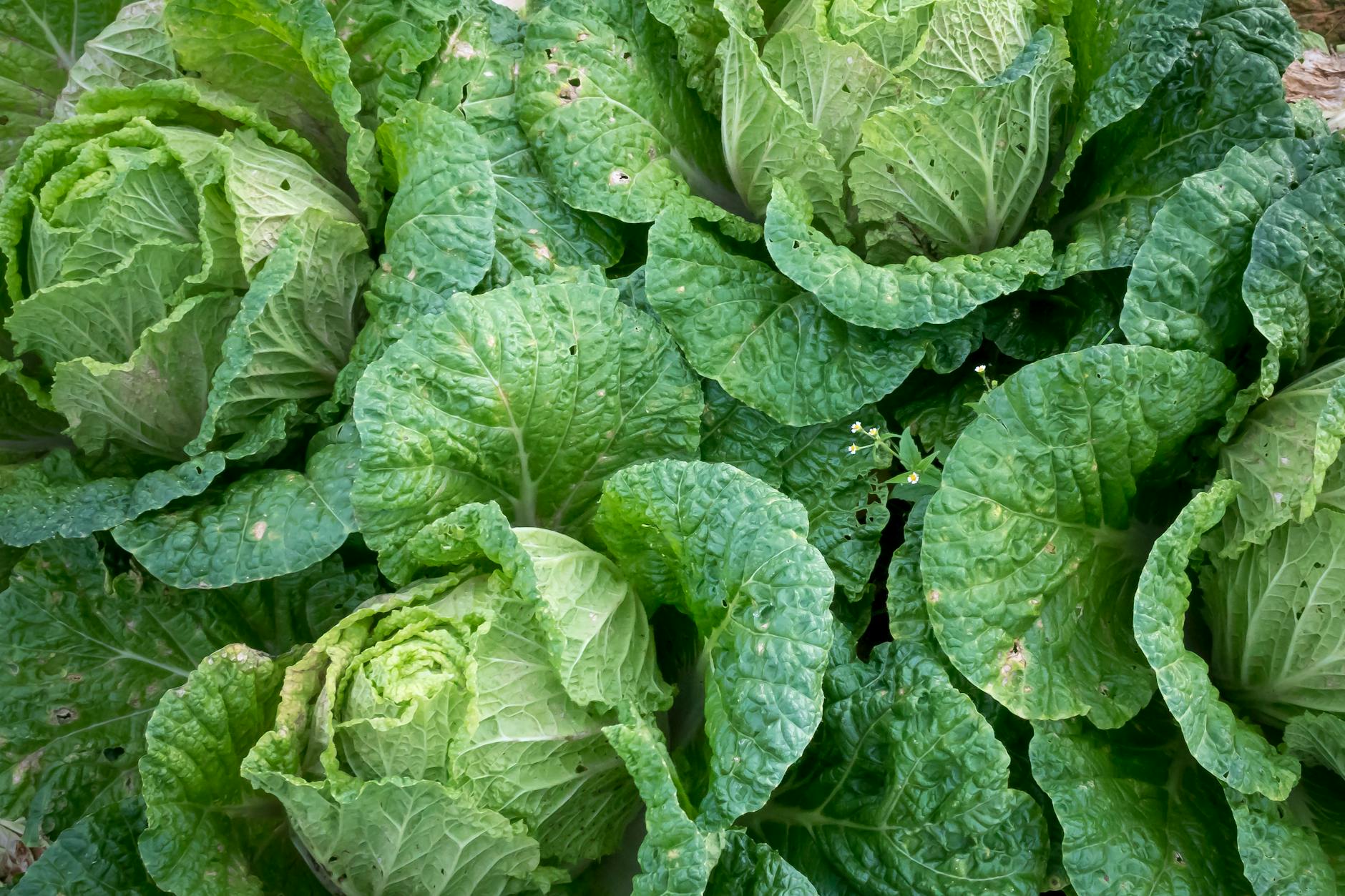
May: Warm-Season Favorites
Once the danger of frost has passed, summer crops can finally move in.
What to plant:
- Tomatoes
- Peppers
- Cucumbers
- Zucchini and summer squash
- Green beans
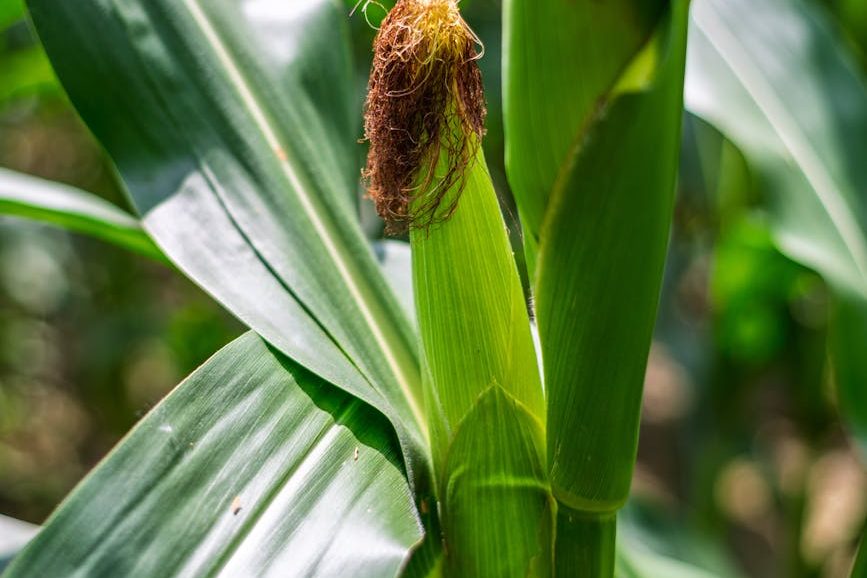
- Corn
- Basil
This is often the most exciting month for gardeners—and one of the busiest.
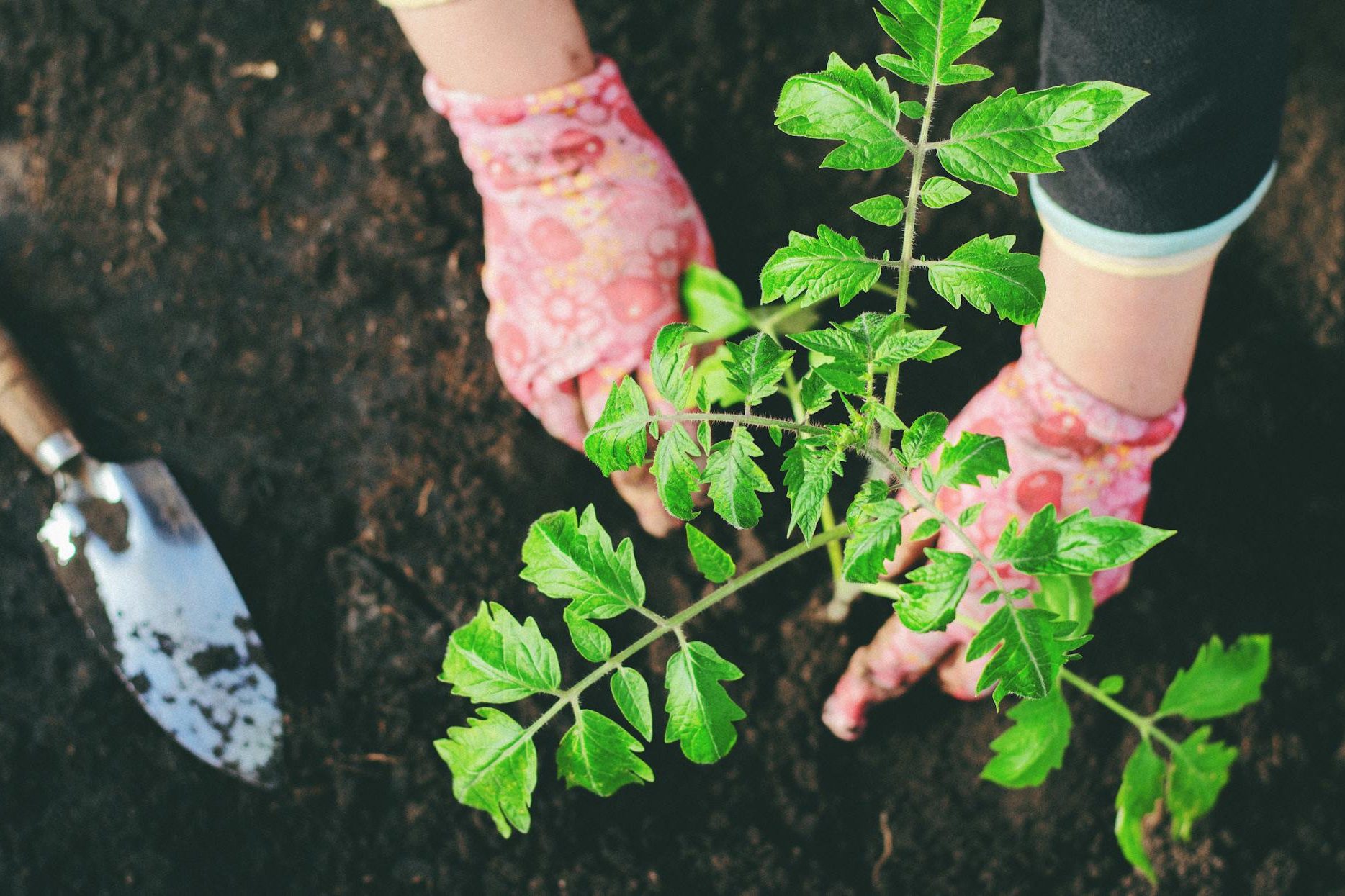
June: Full Growth and Succession Planting
June is ideal for filling gaps and extending harvests.
Plant or replant:
- Bush beans
- Cucumbers
- Squash
- Melons
- More herbs
Tip: Succession planting every 2–3 weeks ensures steady harvests rather than one overwhelming rush.

July: Heat-Loving Crops and Fall Prep
While the garden is producing heavily, it’s also time to think ahead.
What to plant:
- Okra
- Sweet potatoes
- Late corn (early July)
- Fall carrots
- Beets
- Kale
Watering and mulching are especially important now.
August: Transition to Fall Gardening
As summer crops fade, fall planting begins.
What to plant:
- Spinach
- Lettuce
- Arugula
- Turnips
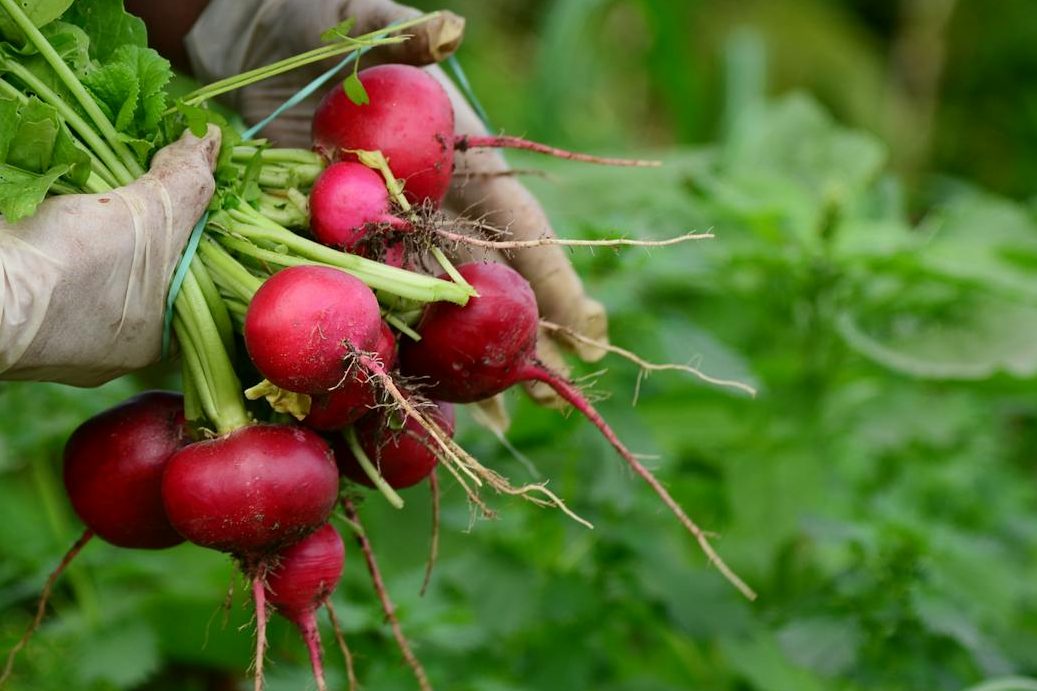
- Radishes
- Broccoli (for fall harvest)
This is where a seasonal gardening guide truly shines—helping you see opportunity rather than decline.
September: Cool-Season Revival
Cooler temperatures bring renewed growth.
Plant:
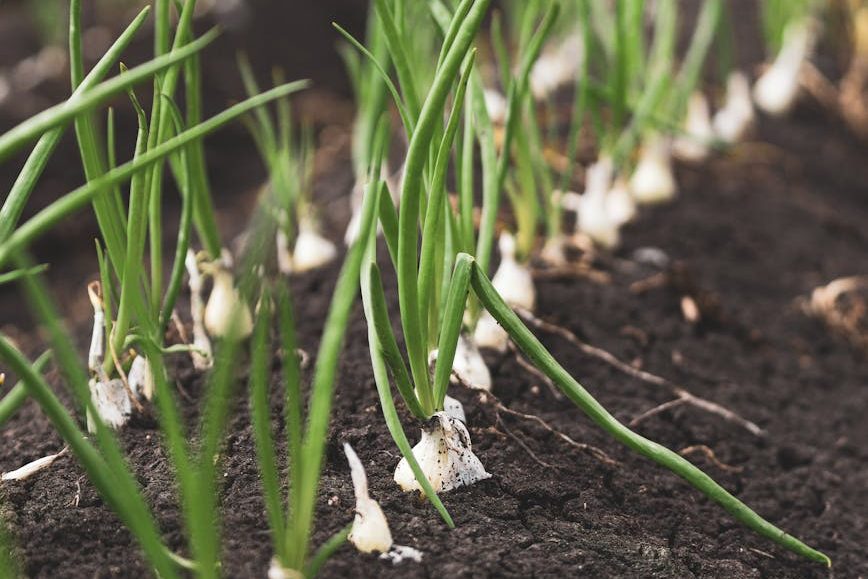
- Garlic (late September/October in many areas)
- Onions (overwintering varieties)
- More greens
- Cover crops (like clover or rye)
Fall gardens are often calmer and more forgiving.
October: Closing the Season Gently
In many regions, October is about protection rather than planting.
Focus on:
- Mulching beds
- Harvesting root crops
- Covering plants for frost
- Cleaning and resting soil
Some climates allow continued planting of garlic and greens.
November & December: Rest and Reflection
The garden rests—and so do you.
What to do:
- Review what worked
- Save seeds
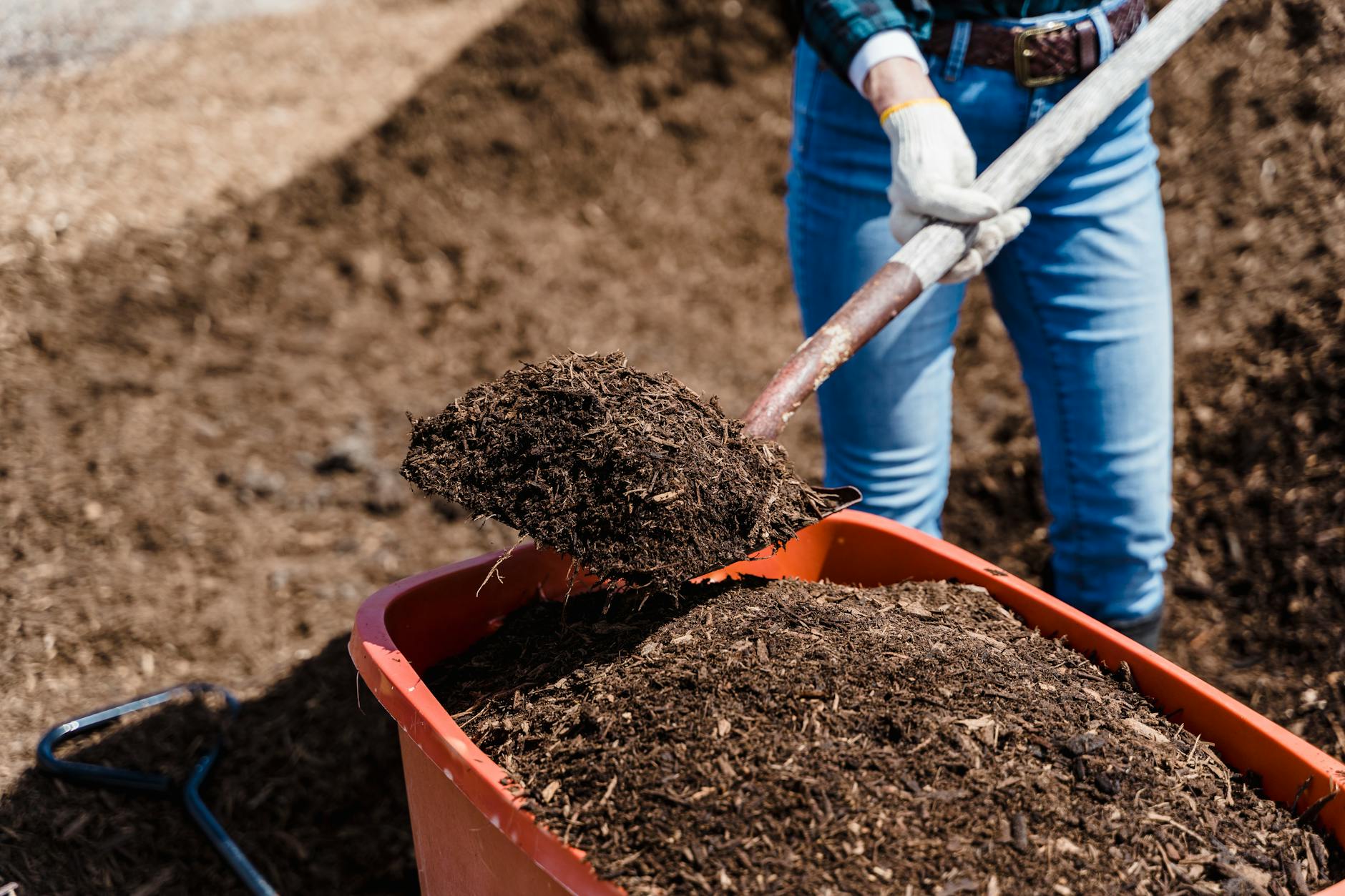
- Compost kitchen scraps
- Dream about next year
Gardening is seasonal for a reason. Rest is part of the rhythm.

Final Thoughts
Learning what to plant each month doesn’t require perfection—just attention and willingness to learn.
A simple vegetable planting schedule, guided by the seasons, brings peace to gardening. When you plant in rhythm with the earth, growth feels less forced and more joyful.
Start small. Observe often. And trust that each season brings its own work—and its own reward.
what to plant each month, planting calendar, seasonal gardening guide, vegetable planting schedule






 Homegrown Revival
Leave a comment